
In today’s fast-paced digital marketplace, Artificial Intelligence (AI) in e-commerce isn’t just a trend—it’s a fundamental shift. AI is redefining how customers interact with online stores, influencing everything from their initial search to their final purchase. This powerful technology is delivering personalized experiences, optimizing operations, and enhancing customer satisfaction like never before.
This blog explores the profound impact of AI in e-commerce and how businesses are strategically leveraging it to create a seamless, engaging, and highly effective customer journey, ultimately driving significant sales growth.
Personalized Shopping: The Core of AI-Powered E-commerce Experiences
In the fiercely competitive world of online retail, understanding and meeting individual customer preferences is crucial for engagement and conversion. AI algorithms excel at analyzing vast amounts of data, including past purchases, Browse behavior, and demographic information. This deep analysis allows e-commerce platforms to generate highly personalized product recommendations and tailored suggestions.
Examples in Action:
- Amazon’s “Customers who bought this also bought” and “Frequently Bought Together” sections are prime examples. Their AI analyzes vast user data to suggest highly relevant products, driving cross-selling and upselling.
- Fashion retailers utilize AI to offer “Shop the Look” features, analyzing a user’s preferred styles to suggest entire outfits or complementary items.
- Some platforms dynamically adjust their website layout, promotions, and even displayed categories based on a user’s real-time Browse behavior and inferred interests. For instance, a pet owner might see cat-food focused content, while a dog owner sees dog-focused content on the same site.
By harnessing AI, businesses can deliver customized shopping experiences that truly resonate with individual customers. This personalization not only leads to higher customer satisfaction but also significantly boosts sales by presenting relevant products at the right time.

AI-Driven Customer Service: Elevating the Online Shopping Experience
The integration of AI-powered chatbots and virtual assistants has transformed customer service in e-commerce. These intelligent systems can efficiently handle customer inquiries, provide instant product information, and even guide shoppers through the entire purchase process.
Examples in Action:
- Many large retailers, such as Sephora or H&M, use AI chatbots to instantly answer frequently asked questions about order status, returns, product details, and shipping information 24/7. These chatbots often leverage Natural Language Processing (NLP) to understand complex queries and provide human-like responses.
- Some beauty and fashion brands use AI in chatbots or Augmented Reality (AR) apps to allow customers to virtually try on makeup, eyeglasses, or even clothing, reducing returns and enhancing the shopping experience.
- Platforms integrated with voice assistants like Amazon Alexa or Google Assistant enable users to search for products, reorder past purchases, or track deliveries using simple voice commands, making shopping more hands-free and convenient.
By offering prompt, 24/7, and personalized support, AI in customer service dramatically enhances the overall shopping experience. This leads to increased customer loyalty and encourages repeat business, building stronger relationships between brands and their customers.
Predictive AI: Optimizing E-commerce Inventory and Supply Chain Efficiency
AI’s predictive analytics capabilities have a monumental impact on inventory management and supply chain operations within the e-commerce sector. By analyzing historical sales data, market trends, and external factors, AI algorithms can accurately forecast demand, optimize inventory levels, and streamline the entire supply chain.
Examples in Action:
- Retailers use AI for demand forecasting, analyzing sales history, seasonal trends, and even external factors like weather forecasts or social media sentiment to predict future product demand. This helps them stock the right amount of inventory, reducing waste and ensuring product availability.
- Logistics giants, including Amazon with its vast delivery network, employ AI algorithms to determine the most efficient delivery routes, factoring in traffic, delivery windows, and fuel consumption. This significantly reduces delivery times and operational costs.
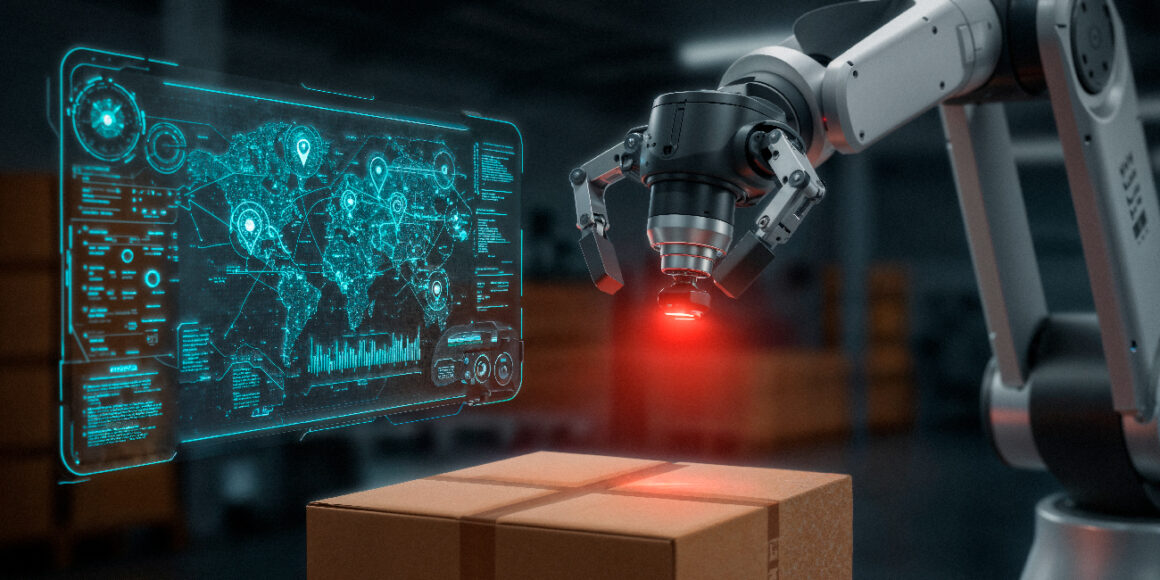
- In large fulfillment centers, AI-guided robots are increasingly used to pick, sort, and pack orders, dramatically speeding up the order fulfillment process and increasing accuracy.
This intelligent forecasting drastically reduces the risk of costly overstocking or frustrating stockouts. Ultimately, it enables e-commerce businesses to operate with enhanced efficiency, reduced costs, and improved profitability.
The Future is Now: AI’s Impact on E-commerce Growth
The integration of AI in e-commerce is rapidly reshaping the industry, empowering businesses to deliver unparalleled personalized experiences, elevate customer service, and optimize operational processes. As the e-commerce landscape continues its rapid evolution, embracing the potential of AI will be essential for businesses aiming to stay competitive and meet the high expectations of today’s tech-savvy consumers.
Beyond the Core:
- Fraud Prevention: Companies like PayPal utilize AI to continuously monitor transaction data for unusual patterns, flagging suspicious activities and preventing fraud in real-time.
- Dynamic Pricing: AI algorithms can analyze competitor prices, real-time demand, inventory levels, and customer behavior to dynamically adjust product prices, maximizing revenue while remaining competitive.
- Visual Search: Platforms like Pinterest or tools like Google Lens allow users to upload an image of a product and find similar items available for purchase online, bridging the gap between inspiration and purchase.
By strategically leveraging AI technologies, businesses can truly revolutionize the e-commerce customer journey, from the initial product discovery to the final buying decision. This strategic adoption of AI is not just about adapting; it’s about driving substantial growth and achieving lasting success in the dynamic world of online retail.
Ready to Transform Your Online Business?
At 18Pixels, we blend innovative design with cutting-edge technology to create e-commerce experiences that truly convert. Whether you’re looking for a stunning new online store, seamless integrations, or powerful custom solutions, we’re here to help your business thrive.
Don’t just sell online, excel online.
Contact Us Today and Start Your E-commerce Journey!
Post Views: 484