
Payment gateway failures represent one of the most critical yet overlooked challenges facing modern businesses. The stark reality is that 42% of customers abandon their purchases after experiencing a payment decline, creating a massive revenue drain that extends far beyond the immediate transaction failure.
The Hidden Scale of Payment Gateway Failures
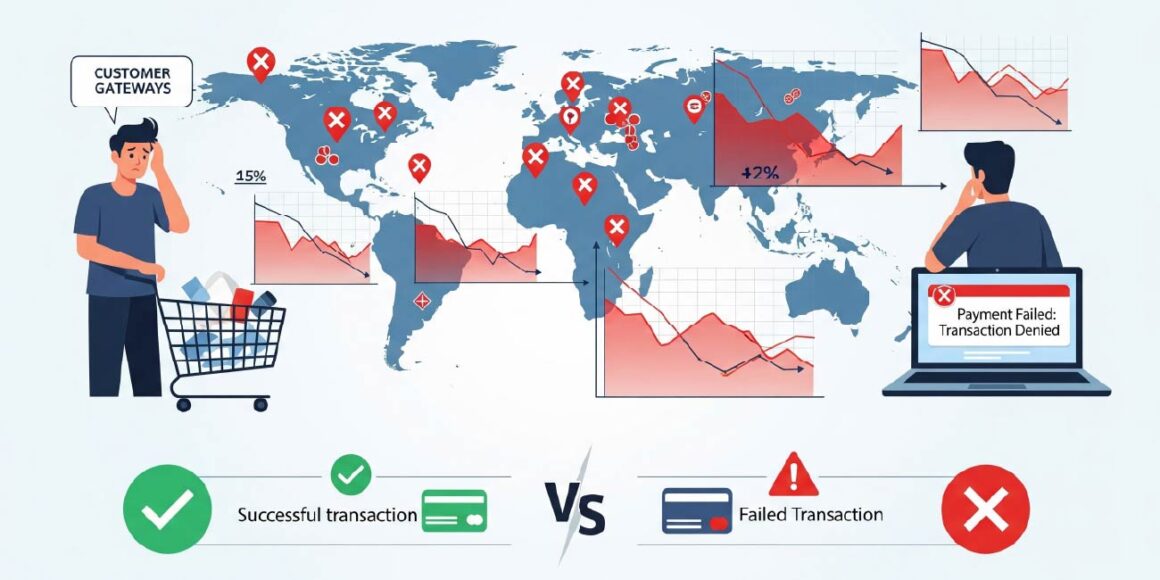
Payment failures are more pervasive than most businesses realize. Current industry data reveals alarming statistics about the scope of this problem:
Global Failure Rates: The average payment failure rate ranges between 7.9% to 14.7% across industries, with some sectors experiencing failure rates as high as 24%. In Europe alone, failed payments cost businesses over €20 billion annually.
Customer Impact: Research consistently shows that 33% to 42% of customers will not attempt to complete their purchase after a payment failure. Even more concerning, 62% of customers who experience payment failure during a transaction won’t return to the business.
Revenue Loss: For a company processing $10 million in annual recurring revenue, a 7.9% payment failure rate represents $790,000 in at-risk revenue. When combined with poor recovery rates, this can translate to hundreds of thousands in direct revenue loss annually.
Understanding Why Payment Gateways Fail
Payment gateway failures stem from multiple interconnected factors across the payment ecosystem. Understanding these causes is crucial for developing effective prevention strategies.
Technical Infrastructure Issues
Server and Network Problems: Gateway failures frequently occur due to server timeouts, network connectivity issues, or system overloads. During peak shopping periods, transaction volumes can exceed system processing capacity, leading to slowdowns or complete outages.
Third-Party Dependencies: Modern payment processing involves multiple parties including payment gateways, processors, acquiring banks, issuing banks, and card networks. If any single component experiences downtime, the entire transaction chain fails.
Integration Misconfigurations: Poor API connectivity between merchant systems and payment gateways can cause transaction failures even when all parties are operational.
Customer-Side Factors
Insufficient Funds: This represents the leading cause of payment failures, accounting for 57% of all card declines. The problem is particularly acute with recurring payments where customer account balances fluctuate.
Expired or Invalid Payment Methods: Card expirations affect 30% of cards annually, creating predictable failure points for subscription businesses. Additionally, incorrect payment details entered during checkout contribute significantly to failure rates.
Bank-Imposed Restrictions: Issuing banks may decline transactions due to suspected fraud, spending limit exceedances, or geographical restrictions.

Security and Fraud Prevention
Over-Zealous Fraud Detection: While essential for security, stringent fraud prevention systems can incorrectly flag legitimate transactions as suspicious, resulting in false decline rates that can exceed 20% of all failed payments.
Authentication Failures: Two-factor authentication requirements, while improving security, can increase transaction abandonment if not implemented smoothly.
The True Cost of Payment Failures
The impact of payment gateway failures extends far beyond the immediate lost transaction, creating cascading effects throughout the business.
Direct Financial Impact
Immediate Revenue Loss: Each failed payment represents lost revenue, but the compounding effect occurs when customers don’t retry their purchases.
Processing Fees: Payment processors often charge fees for each transaction attempt, regardless of success. Multiple failed attempts can accumulate substantial costs.
Manual Exception Handling: Staff time spent troubleshooting failed payments, processing refunds, and handling customer inquiries represents significant operational overhead.
Customer Relationship Damage
Trust Erosion: Payment failures damage customer confidence in the business’s reliability and professionalism. This trust deficit can persist even after the technical issues are resolved.
Involuntary Churn: For subscription businesses, payment failures are responsible for 20% to 48% of all customer churn. This involuntary churn is particularly damaging because it affects satisfied customers who intended to continue their subscriptions.
Lifetime Value Loss: Each customer lost to payment failures represents the loss of their entire future lifetime value, which typically far exceeds the value of any single transaction.
Strategic Recovery Solutions
Successful payment failure recovery requires a multi-layered approach that addresses both prevention and remediation.
Smart Retry Strategies
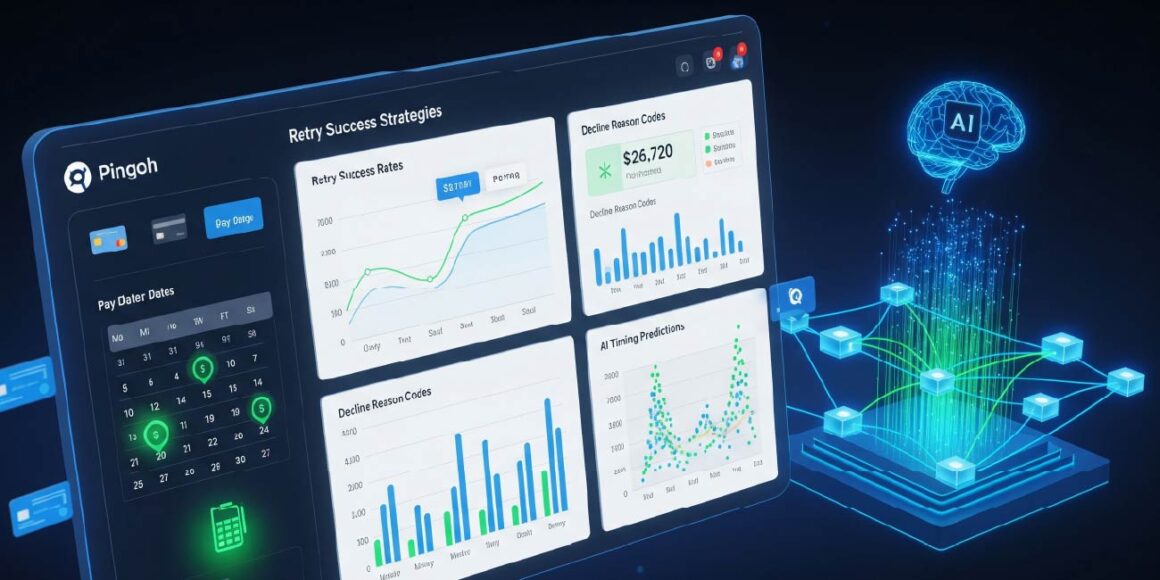
Intelligent Timing: Modern retry systems use AI to determine optimal retry timing based on decline reasons, customer behavior patterns, and historical success rates. For insufficient funds scenarios, retries might be scheduled for the beginning of the next month when customers are more likely to have adequate balances.
Dynamic Retry Logic: Advanced systems implement machine learning algorithms that analyze factors such as transaction history, time of day, payment method, and demographic data to predict the best retry approach.
Response Code Analysis: Understanding specific decline reason codes allows businesses to tailor their retry strategies. Hard declines (such as closed accounts) should not be retried, while soft declines (like temporary network issues) may succeed on subsequent attempts.
Dunning Management Excellence
Pre-Dunning Communications: Proactive outreach before payment failures occur can prevent many issues. Sending card expiration reminders 30-45 days before expiration allows customers ample time to update their information.
Escalating Communication Sequences: Effective dunning campaigns begin with gentle, helpful reminders and gradually increase urgency while maintaining empathy. The messaging should focus on helping customers rather than demanding payment.
Multi-Channel Approach: Combining email, SMS, in-app notifications, and phone calls based on customer preferences increases the likelihood of successful contact.
Payment Method Diversification
Alternative Payment Options: Offering multiple payment methods including digital wallets, Buy Now Pay Later options, and ACH payments can rescue failed transactions by providing backup options.
Account Updater Services: Card network updater services automatically refresh expired card information, addressing 30% of annual card reissuances without requiring customer action.
Backup Payment Methods: Automatically attempting secondary payment methods when the primary method fails can immediately recover many transactions.
Technology Implementation Best Practices
Automated Recovery Systems
Real-Time Monitoring: Implementing dashboards that track failure rates, recovery success, and customer impact allows for immediate intervention when issues arise.
Machine Learning Integration: AI-powered systems can analyze vast amounts of transaction data to identify patterns and optimize recovery strategies continuously.
Integration with Customer Support: Seamless handoffs between automated systems and human support teams ensure complex cases receive appropriate attention while maintaining efficiency.
Performance Optimization
Load Balancing: Distributing transaction processing across multiple gateways and servers prevents overload-related failures during peak periods.
Redundancy Planning: Implementing backup payment processors and failover systems ensures continuity when primary systems experience issues.
Regular Maintenance: Scheduled system maintenance during low-traffic periods minimizes customer-facing disruptions.
Measuring and Monitoring Success
Key Performance Indicators
Payment Recovery Rate: Track the percentage of failed payments successfully recovered within defined timeframes. Industry leaders achieve 75-85% recovery rates.
Time to Recovery: Monitor how quickly failed payments are resolved, as extended delays increase the likelihood of permanent customer loss.
Customer Retention Impact: Measure the correlation between payment failures and customer churn to quantify the broader business impact.
Continuous Improvement
A/B Testing: Experiment with different communication strategies, retry timing, and payment options to optimize recovery rates.
Regular Audits: Conduct periodic reviews of payment failure patterns to identify emerging issues or opportunities for improvement.
Industry Benchmarking: Compare performance against industry standards to ensure competitive recovery rates.
Advanced Prevention Strategies
Proactive Customer Communication
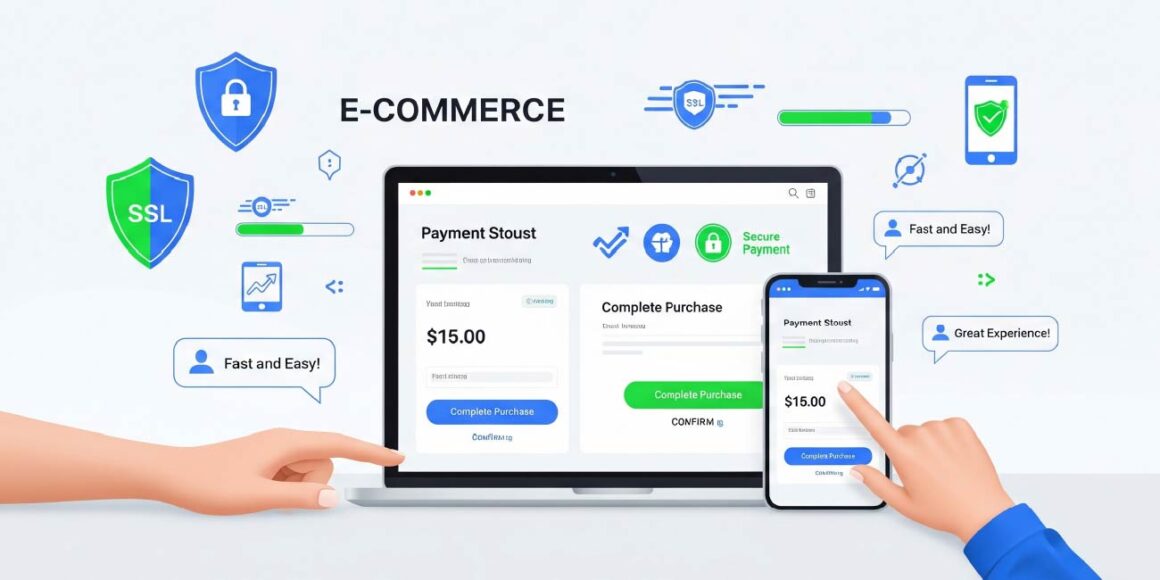
Payment Education: Provide clear information about payment security, accepted methods, and troubleshooting steps to reduce customer anxiety and errors.
Transparent Pricing: Display all fees, taxes, and charges early in the checkout process to prevent abandonment due to unexpected costs.
Trust Signals: Prominently display security badges, customer testimonials, and clear return policies to build confidence in the payment process.
Technical Optimization
Page Speed Optimization: Fast-loading checkout pages reduce abandonment and technical failures. Payment gateway optimization can significantly impact overall site performance.
Mobile Responsiveness: Ensure seamless payment experiences across all devices, as mobile commerce continues to grow.
Security Implementation: Balance strong security measures with user experience to prevent both fraud and legitimate transaction failures.
Industry-Specific Considerations
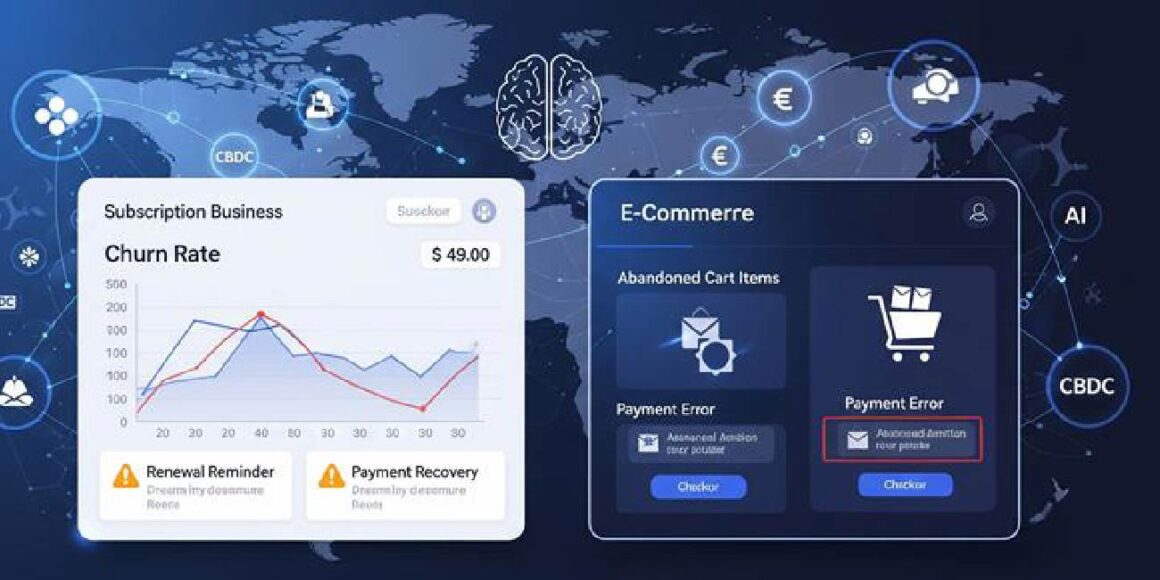
Subscription Businesses
Involuntary Churn Focus: For subscription services, involuntary churn can represent up to 48% of total churn. This makes payment failure recovery a critical revenue retention strategy.
Lifecycle Communications: Implement comprehensive pre-dunning and dunning sequences tailored to subscription renewal cycles.
E-commerce Platforms
Cart Abandonment Integration: Payment failures contribute to the broader cart abandonment problem, which affects over 70% of online shopping sessions.
Checkout Optimization: Streamline payment processes to reduce friction while maintaining security standards.
Future Trends and Considerations
Emerging Technologies
Blockchain Payments: Distributed ledger technologies may reduce some traditional payment failure points while introducing new considerations.
Central Bank Digital Currencies (CBDCs): Government-issued digital currencies could reshape payment infrastructure and failure patterns.
Enhanced AI Capabilities: More sophisticated machine learning models will improve prediction and prevention of payment failures.
Regulatory Evolution
Privacy Regulations: Compliance with GDPR, CCPA, and emerging privacy laws affects how payment data can be collected and used for recovery efforts.
Open Banking: Regulatory changes enabling direct bank-to-business payments may reduce reliance on card-based systems prone to certain failure types.
Payment gateway failures represent a critical business challenge that demands strategic attention and investment. With 42% of customers abandoning purchases after payment declines and failure rates reaching 24% in some industries, the financial impact extends far beyond immediate transaction losses.
The most successful businesses view payment failure recovery not as a technical afterthought but as a strategic revenue retention initiative deserving of cross-functional attention from finance, technology, and customer success teams. By implementing intelligent retry strategies, comprehensive dunning management, and proactive customer communication, businesses can recover 70-85% of failed payments while strengthening customer relationships.
The key to success lies in understanding that payment failures are often symptoms of broader systemic issues rather than isolated technical glitches. Addressing root causes through infrastructure improvements, payment method diversification, and enhanced customer communication creates sustainable competitive advantages that compound over time.
As the digital payments landscape continues to evolve, businesses that proactively address payment failure recovery will not only protect existing revenue streams but also position themselves for sustainable growth in an increasingly competitive marketplace.
Don’t let payment failures drain your revenue. Connect with our experts today and discover how 18Pixels can optimize your payment success. Contact Us
Don’t stop here—discover more in our latest blog –
Conversion by Design: Real Data on UI/UX Design Impact
The Iceberg Effect in Software Projects: Why Your Timeline is Wrong
API-First Development: The Blueprint for Modern Software Architecture
Post Views: 1602