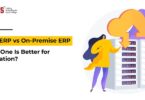
Common ERP myths holding businesses back continue to prevent organizations from realizing the transformative potential of Enterprise Resource Planning systems. These persistent misconceptions about ERP software often stem from outdated perceptions and misinformation that no longer reflect today’s advanced, accessible, and cost-effective solutions.
Understanding the reality behind these ERP myths is crucial for business leaders considering digital transformation. Let’s explore and debunk the most prevalent misconceptions that may be preventing your organization from achieving operational excellence.
The Reality of ERP Systems in 2025
Before diving into specific myths, it’s important to understand that ERP technology has evolved dramatically. Modern ERP solutions offer unprecedented accessibility, scalability, and affordability, making them suitable for businesses of all sizes and industries.
Myth #1: ERP Systems Are Only for Large Enterprises
The Myth: One of the most widespread ERP misconceptions is that these systems are exclusively designed for large corporations with complex operations and massive budgets.
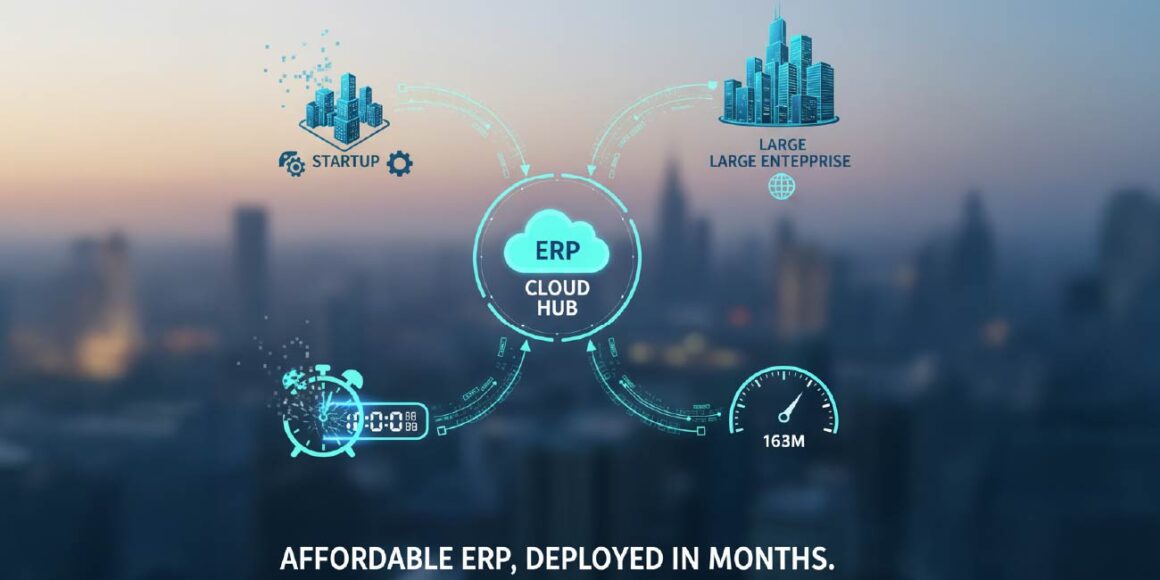
The Reality: This couldn’t be further from the truth. Modern ERP solutions are highly scalable and cater to businesses of all sizes, including small and medium enterprises (SMEs). Cloud-based ERP systems have revolutionized accessibility, offering pricing models that allow smaller businesses to access enterprise-grade functionality without breaking the bank.
Supporting Evidence:
- Around 80% of SAP’s customers are small and midsize companies
- 62% of small businesses adopted cloud ERP solutions in 2025
- Small businesses can implement ERP systems in 3-4 months on average

Myth #2: ERP Implementation Takes Years
The Myth: Many businesses believe that ERP implementation is a lengthy process that takes years to complete, causing significant business disruption.
The Reality: Modern ERP implementations, particularly cloud-based solutions, can be completed much faster than traditional perceptions suggest. ERP implementation timelines have dramatically shortened due to improved methodologies and cloud deployment capabilities.
Actual Implementation Timeframes:
- Small Businesses: 3-4 months
- Medium-sized Businesses: 6-9 months
- Large Businesses: 9-18 months
- Cloud ERP: Average 4-8 months
The key to faster implementation lies in choosing the right solution, proper planning, and working with experienced implementation partners.
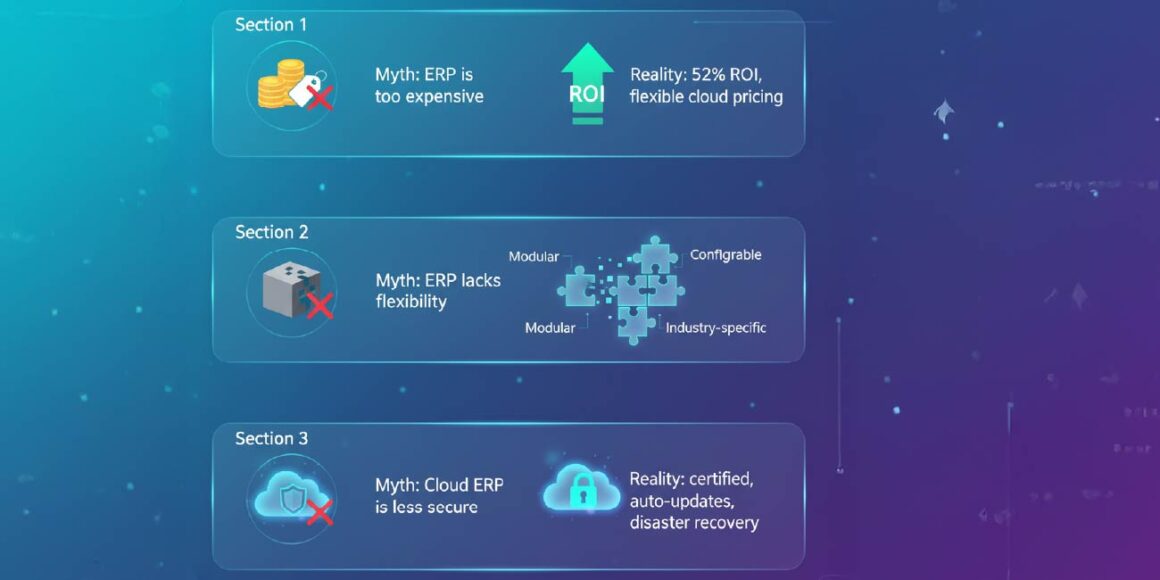
Myth #3: ERP Systems Are Too Expensive
The Myth: Another persistent ERP myth suggests that ERP software requires prohibitively expensive upfront investments.
The Reality: While ERP systems represent a significant investment, the focus should be on value rather than just cost. Cloud ERP solutions offer flexible pricing options that make them accessible to businesses of various sizes.
Financial Reality Check:
- Average ERP ROI is 52%, meaning every $1 invested returns $1.52
- Companies typically see ROI in 2.5 years
- 83% of organizations met their ROI expectations
- For midsize companies, ERP costs represent 3-5% of annual revenue
Modern Pricing Models:
- Subscription-based pricing: Monthly or annual payments
- User-based pricing: Pay per user with different access levels
- Tiered pricing: Choose packages based on functionality needs
Myth #4: ERP Systems Lack Customization and Flexibility
The Myth: Some believe that ERP systems are rigid, one-size-fits-all solutions that cannot adapt to unique business requirements.
The Reality: Modern ERP systems offer extensive customization capabilities while maintaining best practices. However, the approach to customization has evolved to focus on configuration over customization, reducing complexity and implementation time.
Key Flexibility Features:
- Modular architecture allowing businesses to implement only needed functions
- Industry-specific solutions and templates
- Integration capabilities with existing systems
- Scalable functionality that grows with business needs
Myth #5: Cloud ERP Is Less Secure Than On-Premise Solutions
The Myth: Many organizations believe that on-premise ERP systems provide better security than cloud-based alternatives.
The Reality: Cloud ERP providers actually offer superior security measures compared to what most organizations can implement internally. Major cloud data centers employ dedicated security teams and advanced protection measures.
Cloud Security Advantages:
- Industry-standard certifications (PCI DSS, SAS 70)
- Dedicated security teams focused on threat prevention
- Automatic security updates and patches
- Professional disaster recovery and backup procedures
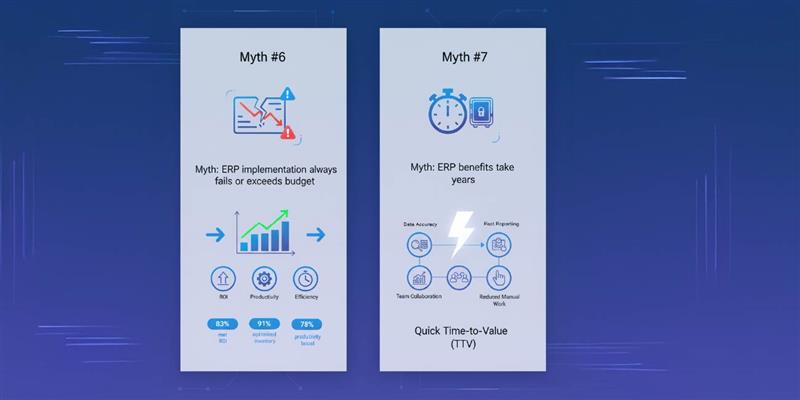
Myth #6: ERP Implementation Always Fails or Exceeds Budget
The Myth: Horror stories about failed ERP implementations create the perception that most projects end in failure or massive budget overruns.
The Reality: While ERP implementations do face challenges, success rates have improved significantly with better project management methodologies and realistic planning.
Success Statistics:
- 83% of organizations that performed ROI analysis met their expectations
- 91% of companies reported optimized inventory levels as a benefit
- 78% reported improved productivity
- 66% said ERP improved operational efficiency
Common Success Factors:
- Executive support and commitment
- Realistic timeline setting and proper planning
- Adequate user training and change management
- Choosing the right implementation partner
Myth #7: ERP Benefits Take Years to Materialize
The Myth: Some believe that ERP benefits only become apparent after several years of operation.
The Reality: While maximum benefits develop over time, many organizations experience immediate improvements in specific areas. The concept of Time to Value (TTV) has become a crucial metric for measuring early ERP success.
Immediate Benefits Include:
- Improved data accuracy and access
- Streamlined reporting capabilities
- Enhanced collaboration between departments
- Reduced manual data entry and errors
Real-World Success Stories
Small Business Success: Fulton & Roark, a growing consumer goods company, implemented NetSuite ERP and saw significant improvements within three weeks, including better bookkeeping accuracy, enhanced cost control, and the ability to increase sales by 50% without additional headcount.
Manufacturing Success: ABC Compounding, a 150-employee industrial supplier, automated work orders and enhanced inventory tracking with Sage ERP X3, enabling them to process over 200 daily orders efficiently while reducing reliance on manual processes.
The Strategic Value of ERP in 2025
Modern ERP systems deliver value far beyond basic process automation. They enable:
Data-Driven Decision Making: Centralized, real-time data across all departments enables swift, informed decisions crucial for business agility.
Scalable Growth Support: ERP systems scale with business growth, adding functionalities without complete system overhauls.
Competitive Advantage: ERP allows smaller businesses to operate with the efficiency of larger competitors, leveling the playing field.
Regulatory Compliance: Built-in compliance features help businesses adhere to industry standards and avoid penalties.
Key Considerations for ERP Selection
When evaluating ERP options, focus on:
- Total Cost of Ownership (TCO) rather than just license fees
- Implementation methodology and partner expertise
- Scalability and future growth accommodation
- Integration capabilities with existing systems
- Industry-specific functionality and best practices
Moving Beyond the Myths
The common ERP myths holding businesses back often stem from outdated information and fear of change. In 2025, ERP technology offers unprecedented accessibility, security, and value for organizations of all sizes. Success depends on:
- Realistic expectations and proper planning
- Executive commitment and change management
- Choosing the right solution and implementation partner
- Focusing on business process improvement alongside technology adoption
By understanding the reality behind these persistent ERP misconceptions, business leaders can make informed decisions about digital transformation initiatives. The question isn’t whether your organization can afford to implement ERP—it’s whether you can afford not to leverage these powerful business management tools in today’s competitive landscape.
Ready to explore how ERP can transform your business operations? Contact 18pixels.com today for expert guidance on selecting and implementing the right ERP solution for your organization’s unique needs. Our experienced team helps businesses navigate the ERP landscape while avoiding common pitfalls and maximizing return on investment.
Get Your Free ERP Consultation Today →
Don’t stop here—discover more in our latest blog –
Why n8n Automation Is the Future for Growing Businesses
Cloud ERP vs On-Premise ERP: Which One Is Better for Automation?
API-First Development: The Blueprint for Modern Software Architecture
Payment Gateway Failures: How to Stop Losing 42% of Failed Payment Customers
Post Views: 591