Top 10 Marketplaces Built on Shopify demonstrate how scalable, flexible, and powerful Shopify has become for multi-vendor eCommerce businesses. Today, Shopify is no longer limited to single-store brands—it is the foundation behind some of the world’s most successful online marketplaces.
With advanced customization, Shopify Plus capabilities, and a rich ecosystem of marketplace apps, businesses can launch high-performance platforms that support thousands of vendors, millions of products, and global customers.
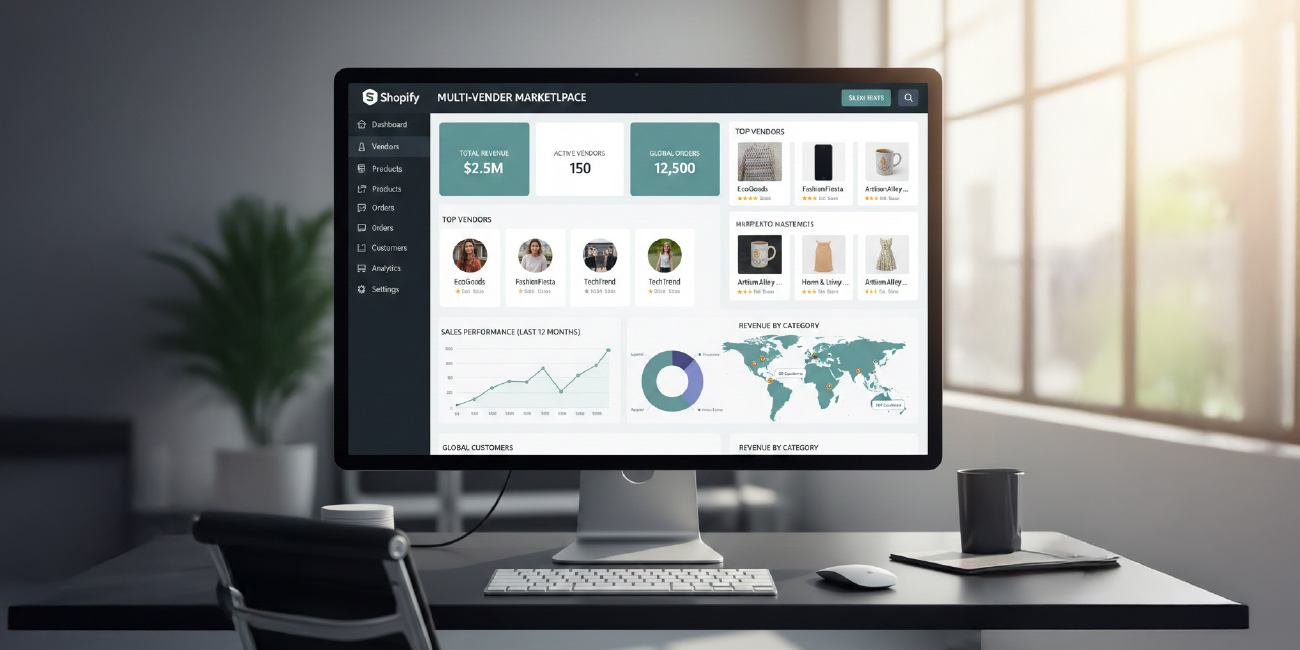
Why Shopify Is the Preferred Platform for Marketplaces
Shopify provides a strong technical backbone for building marketplaces that require reliability, speed, and scalability. Unlike traditional marketplace development that demands heavy custom coding, Shopify enables faster go-to-market with reduced operational complexity.
Its cloud-based hosting ensures high uptime during peak traffic, while secure payment gateways and compliance standards protect both sellers and buyers. Additionally, Shopify’s API-first approach allows seamless integrations with ERP systems, CRMs, logistics platforms, and marketing automation tools.
Key Features Required in a Shopify Marketplace
A successful Shopify marketplace needs more than just a storefront. It requires advanced vendor and operational management features to ensure smooth scaling.
Multi-Vendor Management
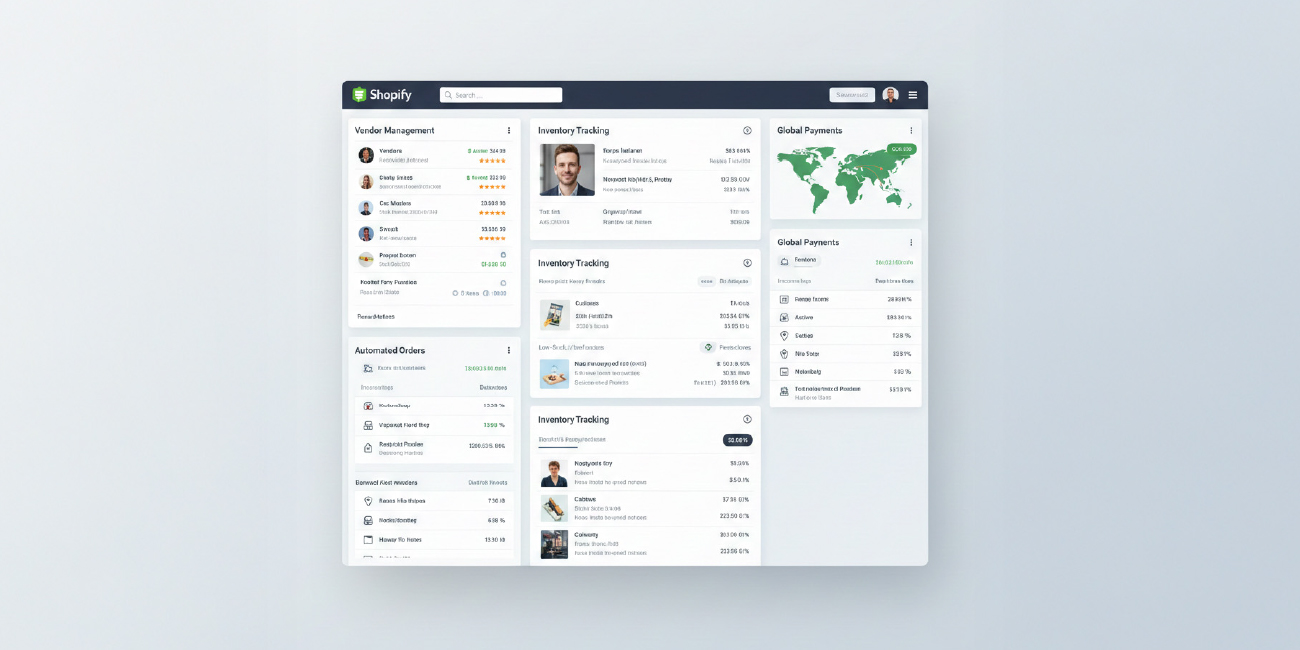
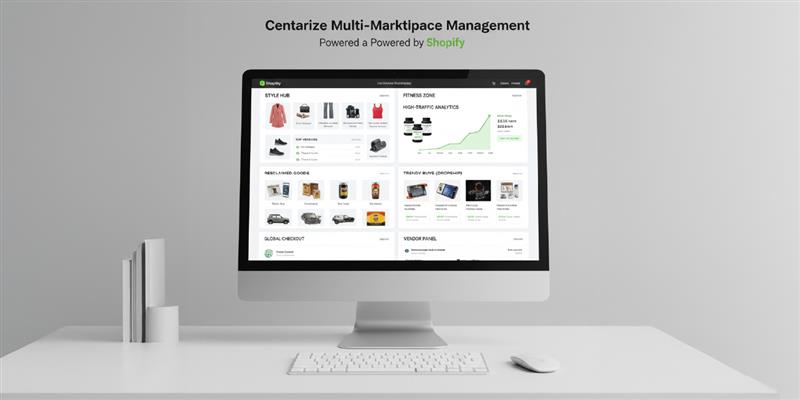
Shopify marketplace apps allow store owners to onboard sellers, manage commissions, control product listings, and monitor vendor performance from a centralized dashboard.
Scalable Checkout & Payments
Shopify supports multi-currency payments, split payouts, and secure transactions, making it ideal for global marketplaces.
Inventory & Order Automation
Automated inventory sync and order routing help marketplaces manage thousands of SKUs across multiple vendors without manual intervention.
Top 10 Marketplaces Built on Shopify
1. Fashion Nova
Fashion Nova is one of the most well-known fashion brands leveraging Shopify Plus to manage high-volume sales and a vendor-driven supply chain. The marketplace handles thousands of SKUs, rapid trend cycles, and massive daily traffic while maintaining fast load times and smooth checkout experiences. Shopify enables Fashion Nova to launch new collections quickly and manage inventory in real time.
2. Gymshark Collective
Gymshark’s Shopify-powered marketplace focuses on creator-led commerce, connecting fitness influencers and athletes with exclusive merchandise. By using headless Shopify architecture, Gymshark delivers a seamless, high-performance shopping experience across web and mobile platforms while supporting global payments and fulfillment.
4. Kylie Cosmetics
Kylie Cosmetics relies on Shopify Plus to handle flash sales, influencer-driven traffic surges, and international demand. The marketplace structure allows collaborations and product expansions while ensuring secure payments and zero downtime during major launches.
5. Allbirds ReRun
Allbirds operates a resale marketplace focused on sustainability. Built on Shopify, the platform manages refurbished product listings, quality checks, and fulfillment workflows. This circular commerce model highlights Shopify’s flexibility beyond traditional retail.
6. Decathlon Marketplace
Decathlon uses Shopify to host a multi-brand sports marketplace that spans multiple countries. Shopify supports localized pricing, multilingual storefronts, and region-specific logistics, making it easier for Decathlon to scale globally.
7. Rebecca Minkoff
Rebecca Minkoff fashion brand leverages Shopify to enable collaborative selling and vendor partnerships across accessories and apparel collections.
8. Red Bull Shop
Red Bull’s Shopify marketplace sells merchandise across categories, handling international demand and seasonal traffic spikes.
9. Patagonia Worn Wear
Patagonia’s resale marketplace promotes sustainability and circular fashion using Shopify’s flexible commerce tools.
10. Dropshipping & Supplier Marketplaces
Spocket shopify powers dropshipping marketplaces that connect suppliers and sellers worldwide with automated fulfillment and order syncing.
Benefits of Building a Marketplace on Shopify
Building a marketplace on Shopify significantly reduces time to market while offering enterprise-grade security and scalability. Marketplace owners benefit from lower development costs, access to thousands of apps, and continuous platform updates. Shopify’s flexibility allows businesses to start small and scale into global platforms without re-platforming.
The Top 20 Marketplaces Built on Shopify prove that Shopify is no longer just an online store platform—it is a complete marketplace solution capable of supporting complex, high-growth business models. Whether you’re building a fashion marketplace, a B2B platform, a resale ecosystem, or a hyperlocal service, Shopify provides the tools, performance, and reliability needed for long-term success.
FAQs
Marketplaces built on Shopify are multi-vendor eCommerce platforms where multiple sellers list and sell products using Shopify’s scalable infrastructure, apps, and payment systems.
Yes, Shopify can be used to build a fully functional multi-vendor marketplace using apps like Webkul Multi Vendor Marketplace, Shopify Flow, and Stripe Connect for vendor payouts.
Shopify Plus is ideal for large-scale marketplaces as it supports high traffic, advanced customization, automation, and enterprise-level integrations without performance issues.
Popular brands such as Fashion Nova, Gymshark, Kylie Cosmetics, Decathlon, Allbirds, and Staples use Shopify to power their marketplace or multi-vendor commerce models.
The cost of building a Shopify marketplace depends on design, features, apps, and custom development. It typically ranges from basic setups to enterprise-level Shopify Plus solutions.
Shopify is often better than custom development because it reduces time to market, lowers maintenance costs, offers built-in security, and provides access to a large app ecosystem.
Don’t stop here—discover more in our latest blog –
Full-Stack Web Development in 2025: Technologies Every Business Should Know
Project Management for Software Development in 2026: Agile, Waterfall, and Hybrid Explained
n8n vs Zapier vs Make (Integromat): A Complete Workflow Automation Tool Comparison
Post Views: 2022